The Invisible Fuel: Combustible Dust and the Limits of a Tidy Workshop
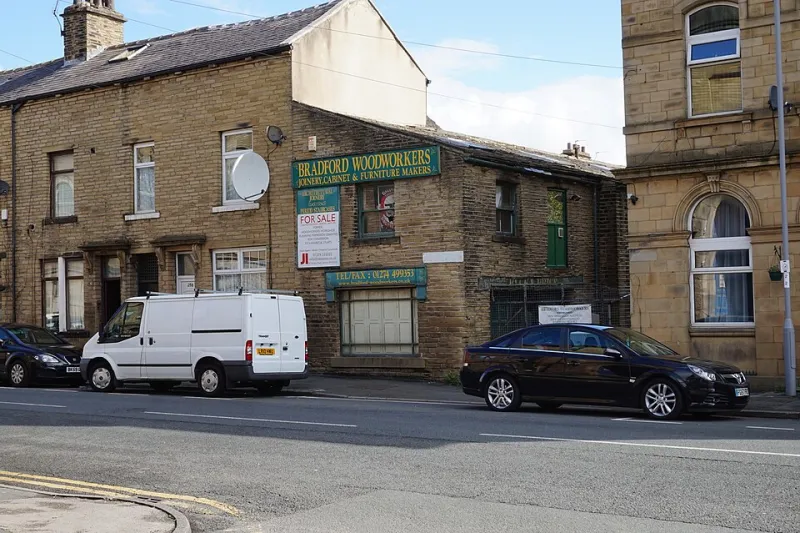
Photo: Ian S , CC BY-SA 2.0, via Wikimedia Commons
Combustible dust is one of the quieter hazards in UK manufacturing. It does not announce itself like a missing guard or a blocked fire exit. It settles on beams, ledges, ductwork and machine housings, and a workshop can look orderly while the conditions for a secondary explosion are being assembled out of sight. In joinery, furniture, food production and many other processes, the risk is not the visible pile in the corner. It is the layer that no one has looked for.
The legal framework is well established. The Dangerous Substances and Explosive Atmospheres Regulations 2002 require employers to assess the risk from dangerous substances, including combustible dusts, and to put in place the necessary controls. Where an explosive atmosphere could occur, an explosion protection document is required. The Control of Substances Hazardous to Health Regulations add duties around local exhaust ventilation, including thorough examination and testing. The problem is rarely an absence of law. It is the gap between the paperwork and the way the workplace behaves when something goes wrong.
Clean is not the same as controlled
A swept floor and an empty bin are reassuring, but they are not evidence that dust is under control. Combustible dust accumulates where cleaning schedules do not reach: on high-level steelwork, behind machines, inside extraction ducts, on electrical enclosures and in voids. A primary explosion or a sudden disturbance can loft those deposits into a cloud. If that cloud is confined and meets an ignition source, the secondary event can be more damaging than the first.
That is why a clean-looking workshop can be a false comfort. The question is not simply whether the floor is tidy at the end of the shift. It is whether the safety management system understands where dust is produced, where it travels, where it settles and what could ignite it. A dust risk assessment should identify the materials, the processes, the quantities and the ignition sources, and it should set out controls that are proportionate to the actual risk.
The fault-condition test
Many dust assessments describe normal operation. They record that extraction is fitted, that housekeeping is carried out and that smoking is prohibited. They are less clear about fault conditions. What happens if the extraction stops? Is the machine interlocked so that it cannot run without extraction? Does an alarm sound? Are operators trained to stop work and report the fault, or do they carry on because the production target is pressing?
What happens if a filter fails, a duct blocks or a collection bin overfills? What happens during maintenance, when guards are removed and dust is disturbed? What happens if hot work is carried out near a dusty area, or if an electrical fault produces a spark in an enclosure where dust has accumulated? These are the scenarios that test whether the management system is real or merely documented.
DSEAR risk assessment should feed into the explosion protection document and into practical operating instructions. It should also inform equipment selection. In areas where a dust cloud could form, electrical equipment and other ignition sources need to be suitable for the zone and the dust. This is not a matter of buying expensive equipment everywhere; it is a matter of understanding where the risk exists and controlling it coherently.
Extraction, housekeeping and the evidence trail
Extraction is a critical control, but it is only a control if it works. Ductwork should be designed for the dust, inspected for accumulation and maintained. Filters and collection bins need a regime that prevents overflow and reduces the risk of a fire spreading through the system. Local exhaust ventilation should be thoroughly examined and tested at the required frequency, and the records should be available and acted upon. A test certificate that records a defect but triggers no remedial action is not assurance; it is evidence of a gap.
Housekeeping deserves the same seriousness. Dry sweeping and compressed air can create the very dust cloud the controls are meant to prevent. Vacuuming should use equipment suitable for combustible dust, not a standard domestic or commercial vacuum that may itself become an ignition source. Cleaning schedules should be based on accumulation rates and high-level surfaces, not only on the floor. They should be recorded and verified.
Ignition control runs alongside these measures. Hot work permits, control of grinding and cutting, maintenance of electrical equipment, and clear rules on smoking and naked flames all matter. So does training. Workers need to recognise accumulation, report extraction faults and understand why a dusty ledge is not a housekeeping detail.
What good assurance looks like
A robust dust safety case is joined up. The DSEAR assessment identifies the hazard and the controls. The explosion protection document records the protective measures. The extraction logs show that the system is examined and maintained. The housekeeping records show that accumulation is being managed. Training records show that people know what to do when conditions change. The emergency plan sets out what happens if a fire or explosion occurs.
Inspections should test that joined-up story rather than simply looking for visible mess. They should ask how the workplace behaves when extraction fails, when maintenance disturbs deposits, or when a new process introduces a finer dust. The most dangerous dust is often the dust that has been normalised. A tidy workshop is welcome, but it is not a safety management system.