Shared Spaces, Fractured Accountability: How Multi-Tenancy Buildings Create Dangerous Legal Vacuums
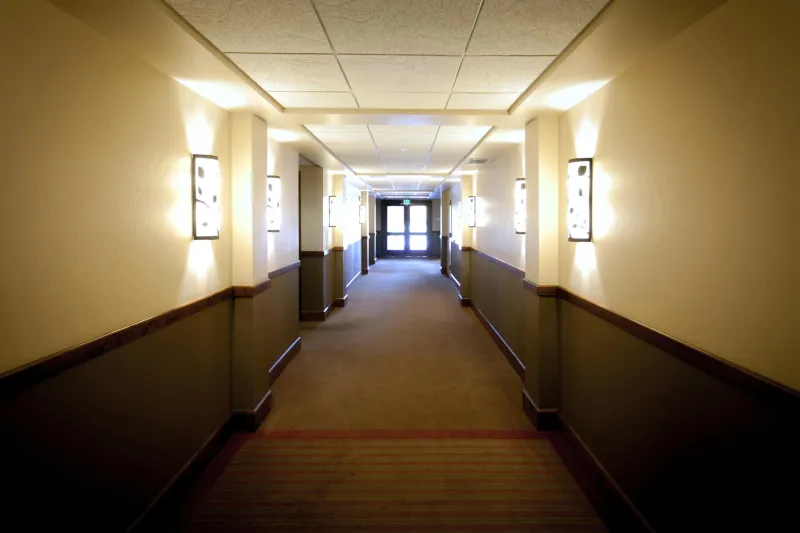
Across Britain's commercial property landscape, a dangerous pattern emerges in multi-tenancy buildings where responsibility for common areas becomes dangerously unclear. Shared corridors, loading bays, car parks, and communal plant rooms exist in a compliance no-man's-land that exposes both property owners and occupiers to significant legal risk.
The Accountability Gap
The fundamental issue lies in the assumption game played between landlords and managing agents. Property owners frequently believe their managing agents handle all compliance obligations for shared spaces, whilst managing agents operate under the assumption that landlords retain ultimate responsibility. This confusion creates dangerous gaps in safety oversight that leave critical areas uninspected and potentially hazardous.
Commercial tenants compound this problem by assuming someone else has addressed safety compliance for spaces they regularly use but do not directly control. The result is a three-way accountability vacuum where essential safety measures fall through administrative cracks.
Legal Framework Reality
Under the Occupiers' Liability Act 1957 and 1984, the legal position is clearer than many property professionals realise. The occupier of premises owes a duty of care to all lawful visitors and, in certain circumstances, to trespassers. For multi-tenancy buildings, determining who qualifies as the 'occupier' of common areas requires careful analysis of lease agreements and management arrangements.
The Regulatory Reform (Fire Safety) Order 2005 designates a 'responsible person' for fire safety compliance, typically the employer in relation to workplace premises or the person with control of the premises. In multi-tenancy scenarios, this responsibility often falls to the landlord or managing agent for common areas, but lease terms can significantly alter these obligations.
The РРАМ Regulations Challenge
The Provision and Use of Work Equipment Regulations 1998 (PUWER) create additional complexity for shared plant rooms and equipment areas. Where communal machinery serves multiple tenants - such as shared lifts, heating systems, or ventilation equipment - determining who bears responsibility for thorough examination and maintenance becomes critical.
Many managing agents lack the technical expertise to oversee complex plant equipment properly, yet landlords often delegate these responsibilities without ensuring adequate competency exists within the management team. This delegation without proper oversight creates significant exposure under health and safety legislation.
High-Risk Shared Areas
Loading bays represent particularly dangerous accountability gaps. These areas typically serve multiple tenants but often lack clear ownership of safety protocols. Vehicle movement, pedestrian safety, and manual handling activities in loading areas require specific risk assessments and control measures that frequently go unaddressed.
Car parks present similar challenges, with responsibility for lighting, surface maintenance, security, and traffic management often unclear between parties. The assumption that car parks are 'low-risk' areas has proven costly when incidents occur and enforcement agencies investigate compliance arrangements.
Communal plant rooms housing electrical distribution equipment, gas supplies, or water systems require specialist inspection regimes. The technical nature of these spaces means responsibility often defaults to whoever is perceived as having relevant expertise, rather than clear legal accountability.
Documentation Disasters
The accountability confusion extends to record-keeping obligations. Critical safety documentation for shared areas often becomes scattered across multiple parties, making compliance demonstration difficult during enforcement investigations. Fire risk assessments, electrical test certificates, and maintenance records may exist in various locations without clear central oversight.
This fragmentation becomes particularly problematic when incidents occur and enforcement agencies seek to establish compliance history. The inability to produce coherent documentation trails significantly increases prosecution risk for all parties involved.
Lease Agreement Clarity
Modern commercial leases increasingly attempt to address shared area responsibilities explicitly, but many existing agreements contain ambiguous language that creates rather than resolves accountability issues. Terms such as 'reasonable maintenance' or 'appropriate safety measures' lack the specificity needed for clear compliance obligation allocation.
Property professionals must ensure lease agreements clearly designate responsibility for specific safety compliance activities rather than relying on general duty of care clauses. This includes identifying who conducts risk assessments, arranges statutory inspections, maintains safety equipment, and keeps compliance records.
Practical Protection Strategies
Businesses occupying multi-tenancy buildings should conduct thorough due diligence on shared area safety arrangements regardless of lease terms. This includes reviewing current risk assessments, inspection schedules, and maintenance contracts for common areas they regularly use.
Establishing clear communication protocols with landlords and managing agents about safety responsibilities helps prevent assumption-based gaps. Regular liaison meetings should include shared area safety as a standing agenda item, with documented outcomes to demonstrate proactive engagement.
Tenant businesses should consider conducting independent safety audits of shared spaces they rely upon, particularly where critical business operations depend on access through common areas. This approach provides protection against third-party compliance failures whilst demonstrating reasonable diligence.
Enforcement Reality
When incidents occur in shared areas, enforcement agencies investigate all parties with potential control or influence over the space. The assumption that lease agreements will protect against prosecution has proven false in numerous cases where multiple parties faced charges for the same incident.
The trend towards corporate manslaughter prosecutions means senior executives across all involved parties may face personal liability for shared area safety failures. This reality demands proactive engagement with safety compliance rather than passive reliance on contractual arrangements.
Moving Forward
The solution requires collaborative approaches where landlords, managing agents, and tenants work together to ensure comprehensive safety oversight. Clear accountability matrices, regular joint inspections, and shared compliance monitoring systems help eliminate dangerous assumption gaps.
Property owners must recognise that delegating safety responsibilities requires ongoing oversight to ensure competent delivery. Managing agents need adequate resources and expertise to fulfil safety obligations effectively. Tenants should engage actively with shared area safety rather than assuming others have addressed all risks.
Ultimately, the complexity of multi-tenancy building safety demands professional competence and clear accountability rather than assumption-based arrangements that leave everyone exposed to serious legal consequences.