Cosmetic Changes, Legal Consequences: The Refurbishment Compliance Trap Catching UK Hospitality Operators Off Guard
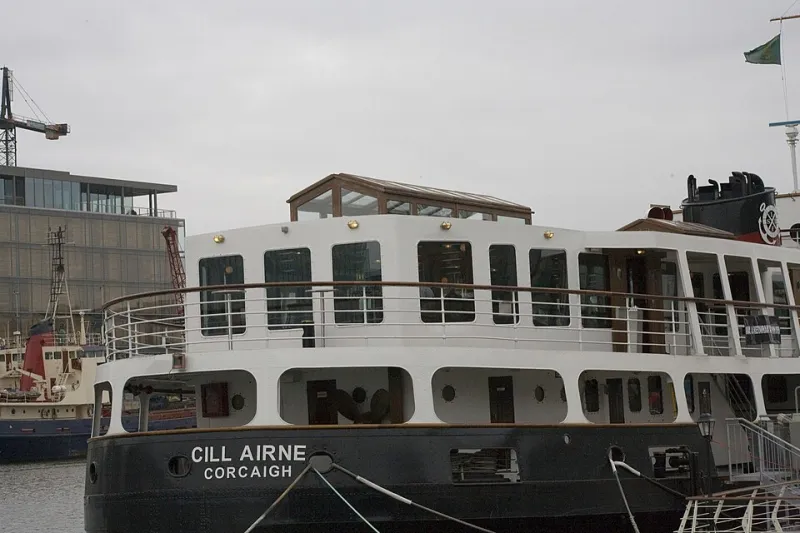
Photo: William Murphy from Dublin, Ireland, CC BY-SA 2.0, via Wikimedia Commons
The hospitality sector operates on tight margins and tighter timelines. When a bar owner decides to install new flooring, reposition the dining layout, or upgrade the lighting scheme, the instinct is to get the work done quickly, reopen, and get back to trading. What rarely features in that calculation is the question of whether any of those changes have created new regulatory obligations — obligations that, if unmet, can result in improvement notices, prosecution, or forced closure.
The assumption that cosmetic work sits below the threshold of regulatory scrutiny is widespread across bars, restaurants, hotels, and event venues throughout the UK. It is also an assumption that enforcement authorities are increasingly disinclined to accommodate.
The Threshold Problem
The fundamental difficulty is that UK safety and building regulation does not draw a clean line between 'cosmetic' and 'structural' work in the way that venue operators typically imagine it does. The relevant legislation — principally the Building Regulations 2010, the Regulatory Reform (Fire Safety) Order 2005, and the Electricity at Work Regulations 1989 — is concerned with outcomes and risks, not with the informal categorisation of work by those carrying it out.
Under the Building Regulations 2010, certain categories of work trigger a notification requirement to the local authority building control body regardless of whether the works appear superficial. The installation of new fixed electrical installations or the replacement of existing ones, work affecting means of escape in case of fire, and material alterations to buildings used by members of the public all carry notification obligations. A venue operator who engages a local electrician to install new atmospheric lighting without ensuring that the work is notified and certified is in breach of these requirements from the moment the installation is complete.
The concept of a 'material change of use' or 'material alteration' under the Building Regulations is broader than most operators appreciate. Repositioning a bar counter or reconfiguring a dining room layout may alter travel distances to fire exits, change occupancy patterns, or affect the adequacy of existing ventilation provision. Each of these factors has safety implications that the original premises licence and fire risk assessment may not have anticipated.
Fire Safety: The Most Commonly Triggered Obligation
The Regulatory Reform (Fire Safety) Order 2005 imposes a duty on the 'responsible person' — typically the employer or the person with control of the premises — to ensure that the fire risk assessment remains suitable and sufficient. Critically, the Order requires this assessment to be reviewed whenever there is reason to believe it may no longer be valid, including after changes to the premises or the activities carried on within them.
A refurbishment that replaces timber flooring with a synthetic material, introduces new soft furnishings, or changes the configuration of partitions and screens can materially alter the fire load within a venue and the speed at which fire might spread. None of these changes are 'cosmetic' from a fire safety perspective, even if they are perceived as decorative from an operational one.
Fire and rescue services conducting inspections of hospitality venues have found, with concerning regularity, that fire risk assessments have not been reviewed following refurbishments. In some cases, the assessment on file predates significant layout changes by several years. Where a fire incident occurs in such circumstances, the responsible person faces not only the consequences of the incident itself but the additional liability of having failed to maintain an adequate assessment.
Penalties under the Fire Safety Order for failures to maintain a suitable fire risk assessment can include an unlimited fine and up to two years' imprisonment. These are not theoretical maximums — prosecution cases involving hospitality venues have resulted in substantial fines and, in more serious cases, custodial sentences.
Electrical Work and the Certification Requirement
Electrical installations in commercial premises are governed by the Electricity at Work Regulations 1989 and, in practice, by BS 7671 (the IET Wiring Regulations). Any new fixed electrical installation work carried out in a commercial premises must be designed, installed, inspected, and tested by a competent person, with an Electrical Installation Condition Report or installation certificate issued upon completion.
For hospitality venues, lighting upgrades are among the most frequently undertaken cosmetic changes — and among the most frequently uncertified. Operators who commission atmospheric lighting, feature installations, or external signage through informal arrangements, without ensuring that the work is properly certified, are creating an undocumented electrical liability that will surface during any subsequent inspection or insurance claim.
Where electrical work has been carried out without appropriate certification, the cost of retrospective remediation — which may require opening walls, replacing wiring runs, and commissioning full inspections — typically far exceeds what a properly managed installation would have cost in the first instance.
Licensing Implications
Beyond building regulations and fire safety law, hospitality operators must also consider the implications of refurbishments for their premises licences under the Licensing Act 2003. Where physical changes to a venue affect the nature of the licensed area, the capacity of the premises, or the conditions attached to the licence — for instance, conditions relating to the positioning of a bar or the layout of a designated smoking area — a variation application to the licensing authority may be required.
Operating in breach of premises licence conditions is a criminal offence, and local licensing authorities have shown a willingness to pursue enforcement action against venues where post-refurbishment operations are found to be inconsistent with the licensed conditions.
What Operators Should Do Before Work Begins
The practical lesson for hospitality operators is that the compliance review should precede the refurbishment project, not follow it. Before any works commence — regardless of how minor they appear — the responsible person should assess whether the proposed changes could affect the fire risk assessment, the electrical installation, the building regulations compliance position, or the premises licence conditions.
Where any doubt exists, a pre-works consultation with a competent fire risk assessor, a registered electrical contractor, and the local building control authority will identify the notification and assessment requirements that apply. This consultation need not be lengthy or expensive, and it is considerably less costly than the alternative.
At National Safety Inspections, we regularly assist hospitality operators in understanding where the line falls between genuinely low-risk cosmetic work and works that carry statutory compliance obligations. The distinction matters enormously — and getting it wrong, even inadvertently, can have consequences that no amount of fresh décor will paper over.