Sweating the Small Stuff: Why Britain's Fitness Industry Is Flexing Its Way Into Criminal Liability
Britain's Fitness Gold Rush Creates Safety Blind Spots
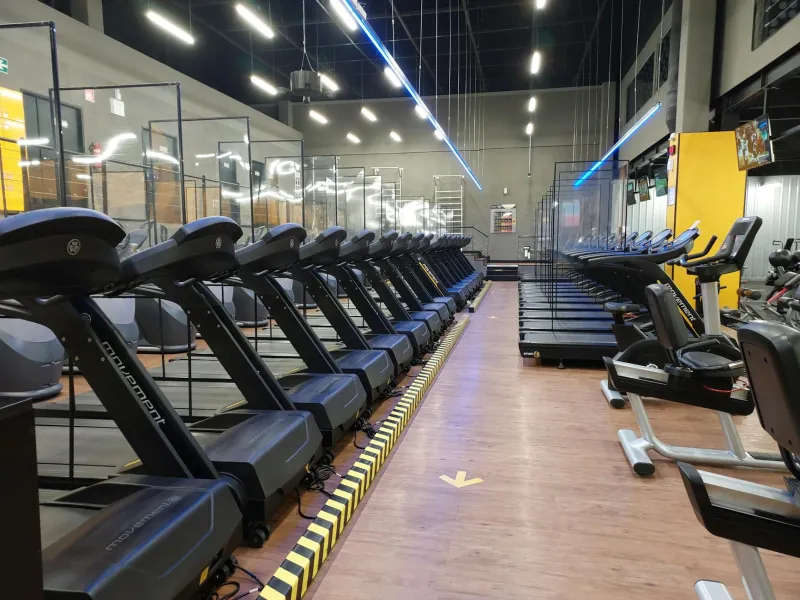
The numbers tell a remarkable story of recovery and growth. Since 2021, the UK fitness industry has witnessed unprecedented expansion, with over 3,200 new facilities opening their doors. Budget chains have multiplied across high streets, boutique studios occupy every spare commercial unit, and converted warehouses house everything from CrossFit boxes to climbing walls.
Yet beneath this surge of entrepreneurial energy lurks a compliance crisis that threatens to transform business success into criminal liability. The very speed of expansion that has revitalised the sector is creating dangerous gaps in safety oversight — gaps that HSE enforcement teams are beginning to exploit.
When Equipment Becomes Evidence
The cornerstone of fitness industry compliance lies in the Provision and Use of Work Equipment Regulations 1998 (PUWER). These regulations demand rigorous inspection schedules for all mechanical equipment, from treadmills to resistance machines. However, the reality inside many facilities tells a different story.
A recent HSE inspection at a budget gym chain in Leeds uncovered systematic failures across multiple sites. Inspection records for cardiovascular equipment were either missing or falsified, with some machines operating for over eighteen months without proper examination. When a treadmill belt failure resulted in serious injury to a member, investigators discovered that the equipment had been displaying error codes for weeks — warnings that staff had been instructed to ignore.
The prosecution that followed resulted in £120,000 in fines and a stark reminder that PUWER compliance cannot be delegated to unqualified staff or treated as an administrative afterthought.
The Water Hygiene Time Bomb
Perhaps nowhere is the compliance gap more dangerous than in facilities with water features. Swimming pools, jacuzzis, steam rooms, and even basic shower facilities fall under the Health and Safety Executive's L8 guidance for controlling legionella bacteria.
The technical requirements are precise and unforgiving. Water temperatures must be monitored daily, chemical dosing systems require weekly inspection, and comprehensive risk assessments must be reviewed annually by competent persons holding appropriate qualifications.
Yet many fitness operators treat water hygiene as a routine maintenance issue rather than a critical safety obligation. A boutique spa in Surrey discovered this distinction when routine HSE testing revealed legionella contamination levels 400 times above acceptable limits. The investigation exposed months of inadequate monitoring, with temperature logs clearly fabricated and chemical dosing systems operating without proper calibration.
The resulting prosecution brought £85,000 in fines and a suspended sentence for the facility director — a personal liability that no amount of corporate insurance could mitigate.
Emergency Planning: The Evacuation Equation
Fitness facilities present unique challenges for emergency evacuation. High occupancy levels, complex layouts, and the presence of individuals in various states of undress create scenarios that standard fire risk assessments often fail to address adequately.
The Regulatory Reform (Fire Safety) Order 2005 requires responsible persons to conduct thorough assessments of evacuation procedures, accounting for all reasonably foreseeable scenarios. However, many operators focus exclusively on obvious fire exits while ignoring practical evacuation challenges.
Consider the complexity of evacuating a three-storey gym during peak evening hours. Ground floor cardio areas might hold 80 people, first-floor weights areas another 60, while changing rooms could contain 40 more in various stages of dress. Add in potential mobility limitations of older users or those with temporary injuries, and evacuation planning becomes genuinely complex.
A recent fire at a Manchester fitness centre highlighted these challenges dramatically. While no serious injuries occurred, the investigation revealed that evacuation took over twelve minutes — far exceeding acceptable timeframes. CCTV footage showed confusion at multiple exit points, with some members returning to changing rooms to retrieve belongings despite fire alarms sounding.
The Lone Worker Liability Trap
Many fitness facilities operate extended hours with minimal staffing, creating significant lone worker risks that operators routinely underestimate. The Management of Health and Safety at Work Regulations 1999 place specific obligations on employers to protect isolated workers, yet the fitness industry's approach to lone working often relies more on optimism than proper risk assessment.
24-hour gym access has become a key marketing differentiator, with members using key cards or mobile apps to enter unstaffed facilities. However, the legal responsibility for safety doesn't disappear when staff go home. Operators remain liable for incidents occurring on their premises, regardless of staffing levels.
Recent case law has established that adequate lone worker protection requires more than CCTV monitoring and emergency buttons. Risk assessments must consider specific scenarios: medical emergencies during unstaffed hours, equipment entrapment when no assistance is available, or security incidents in car parks and changing areas.
The Insurance Illusion
Perhaps the most dangerous misconception within the fitness industry is the belief that comprehensive liability waivers and insurance policies provide complete protection from regulatory action. Members routinely sign agreements acknowledging exercise risks and waiving claims for injury, creating a false sense of legal security for operators.
The reality is starkly different. Liability waivers cannot exclude criminal prosecution for regulatory breaches. When a gym in Bristol faced HSE action following a serious equipment failure, their defence team discovered that extensive liability documentation provided no protection whatsoever against criminal charges.
Similarly, insurance policies typically exclude coverage for fines and penalties resulting from regulatory breaches. Directors facing personal prosecution under health and safety legislation often find themselves without corporate protection, facing potential imprisonment alongside financial penalties.
Building Compliance Into Business Growth
The solution requires fundamental changes in how fitness businesses approach safety compliance. Successful operators now integrate regulatory obligations into their core business planning, treating safety management as a competitive advantage rather than a regulatory burden.
This means investing in proper competent person appointments for all technical areas. PUWER equipment inspections require qualified engineers, not general maintenance staff. Legionella risk management demands appropriately trained personnel with recognised qualifications. Fire risk assessments need competent assessors who understand the specific challenges of fitness environments.
Record-keeping systems must move beyond basic logbooks to comprehensive digital platforms that track inspection schedules, competency requirements, and regulatory deadlines. The days of handwritten maintenance logs and filing cabinet documentation are ending as enforcement teams demand increasingly sophisticated evidence of systematic compliance.
The Enforcement Reality Check
HSE targeting of the leisure sector has intensified significantly since 2022, with dedicated inspection programmes focusing on facilities with higher risk profiles. Enforcement teams now routinely examine not just obvious safety hazards but the underlying management systems that should prevent them.
This shift towards systematic compliance assessment means that reactive approaches to safety management are increasingly inadequate. Operators who wait for incidents before addressing compliance gaps find themselves facing prosecution for systemic failures rather than isolated accidents.
The fitness industry's rapid growth has created unprecedented opportunities for entrepreneurs and investors. However, sustainable success requires recognition that regulatory compliance cannot be retrofitted after business expansion. In an environment where criminal liability follows non-compliance, the cost of getting safety wrong far exceeds the investment required to get it right from the start.