Office Safety Blind Spots: The Critical Compliance Failures Standard Inspections Routinely Miss
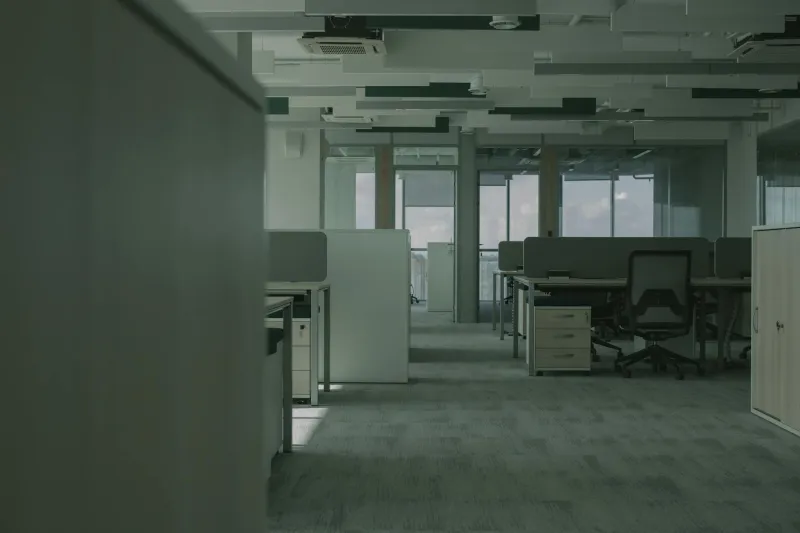
The False Security of the Modern UK Office
The gleaming glass towers of Canary Wharf and the converted Victorian warehouses of Manchester's business quarter project an image of safety and professionalism. Yet behind these polished facades, a troubling pattern emerges from professional safety inspections across the UK: office buildings harbour far more serious compliance failures than most business owners realise.
Whilst manufacturing sites and construction zones rightfully attract intense safety scrutiny, office environments benefit from a dangerous assumption of inherent safety. This misconception leaves thousands of UK businesses exposed to regulatory breaches, employee injuries, and the devastating financial consequences that follow.
Emergency Egress: The Silent Killer in Plain Sight
Fire safety violations represent the most frequently discovered compliance failure in UK office inspections, with emergency egress routes bearing the brunt of oversight. HSE data reveals that inadequate escape routes contribute to over 60% of serious office-related safety incidents annually.
The problems are often subtle yet catastrophic. Offices in converted buildings frequently maintain original architectural features that compromise modern safety requirements. A Georgian townhouse converted to legal chambers in Lincoln's Inn may retain its narrow staircases and single exit points, creating death traps during emergencies.
More commonly, businesses gradually compromise their escape routes through poor space management. Storage cupboards encroach upon corridor widths, decorative plants obstruct fire exit visibility, and temporary partitions create maze-like layouts that confuse evacuation procedures. Professional inspectors routinely discover exit doors locked during business hours, emergency lighting systems that haven't been tested in years, and fire assembly points that have been repurposed as car parking spaces.
Electrical Infrastructure: The Hidden Hazard Network
UK office buildings present a unique electrical safety challenge that standard inspections frequently miss. The rapid evolution of workplace technology has outpaced the electrical infrastructure of many buildings, creating dangerous overload conditions and fire risks.
Extension leads daisy-chained across open-plan offices, overloaded power strips hidden beneath desks, and obsolete wiring systems struggling to support modern equipment loads represent common findings during comprehensive electrical safety audits. The Health and Safety Executive reports that electrical faults cause approximately 25% of office fires annually, yet many businesses rely on cursory visual inspections that miss these developing hazards.
Portable appliance testing (PAT) provides another area where compliance failures proliferate. Whilst most offices maintain PAT testing schedules, the quality and thoroughness of these inspections vary dramatically. Professional safety audits consistently uncover equipment that has passed PAT testing despite obvious defects, highlighting the importance of qualified inspection providers.
Display Screen Equipment: The Epidemic of Ergonomic Neglect
The shift towards remote and hybrid working has paradoxically increased DSE compliance risks within office environments. As employees alternate between home and office workstations, businesses often overlook their continuing obligations to provide properly configured workplace setups.
DSE assessments represent one of the most commonly skipped compliance requirements in UK offices. The HSE mandates that employers conduct DSE assessments for all employees who use computers as a significant part of their work, yet comprehensive safety inspections routinely discover businesses that have never completed these evaluations.
The consequences extend beyond regulatory compliance. Poor ergonomic setups contribute to musculoskeletal disorders that cost UK businesses over £8 billion annually in lost productivity and compensation claims. Adjustable desk heights, monitor positioning, keyboard placement, and adequate lighting all require systematic assessment and ongoing monitoring.
Indoor Air Quality: The Invisible Threat
Modern office buildings prioritise energy efficiency, often at the expense of adequate ventilation. Professional air quality assessments frequently uncover carbon dioxide levels that exceed recommended thresholds, contributing to reduced cognitive performance and increased illness rates amongst staff.
Legionella risk assessments provide another commonly overlooked compliance requirement. Office buildings with cooling towers, hot water systems, or decorative water features require regular legionella testing, yet many businesses remain unaware of these obligations until professional inspectors identify the gaps.
Workplace Transport: The Forgotten Office Hazard
Office environments increasingly incorporate workplace transport elements that standard inspections overlook. Goods lifts, service elevators, and loading bay operations require specific safety protocols and regular maintenance schedules.
Forklift operations within office complexes, particularly in buildings that combine retail, storage, and administrative functions, present significant risks when proper segregation and training protocols are absent. Professional inspectors frequently discover inadequate pedestrian protection measures and insufficient operator certification programmes.
The Cost of Complacency
The financial implications of these overlooked compliance failures extend far beyond immediate penalty fines. Insurance claims related to office accidents often face scrutiny regarding preventive measures and compliance status. Businesses that cannot demonstrate comprehensive safety management systems may find their coverage compromised when they need it most.
Employee compensation claims represent another significant financial risk. The average workplace injury claim in the UK exceeds £15,000, whilst serious incidents can result in six-figure settlements. Professional safety inspections that identify and address these hidden hazards before incidents occur provide invaluable protection against these costs.
Building a Comprehensive Safety Culture
Addressing these blind spots requires a fundamental shift in how UK businesses approach office safety compliance. Rather than viewing safety inspections as regulatory hurdles to be minimised, forward-thinking organisations recognise comprehensive safety audits as essential business intelligence.
Professional safety inspection services provide the expertise and objectivity necessary to identify these hidden compliance failures. Independent inspectors bring fresh perspectives, current regulatory knowledge, and specialised equipment that internal assessments simply cannot match.
The investment in professional safety inspections pays dividends through reduced insurance premiums, improved employee satisfaction, enhanced regulatory compliance, and protection against catastrophic incidents that could destroy business reputations overnight.
UK businesses can no longer afford to assume their office environments are inherently safe. The hidden dangers lurking within apparently secure office buildings demand the same rigorous attention to safety compliance that other industries have long recognised as essential. Professional safety inspections provide the visibility and assurance necessary to protect both employees and business interests in an increasingly complex regulatory environment.