Beyond Paper Trails: How Superficial Safety Inspections Are Enabling UK Workplace Tragedies
The Dangerous Disconnect Between Compliance and Reality
In boardrooms across Britain, safety certificates hang proudly on walls whilst workers in the same organisations continue to suffer preventable injuries. This troubling paradox highlights a fundamental flaw in how many UK businesses approach workplace safety compliance—treating inspections as administrative hurdles rather than vital risk management tools.
Recent HSE enforcement data reveals a disturbing trend: organisations with seemingly robust inspection documentation continue to feature prominently in serious incident reports. This suggests that traditional inspection methodologies may be creating a false sense of security, allowing genuine hazards to persist beneath a veneer of regulatory compliance.
When Paperwork Becomes Performance Art
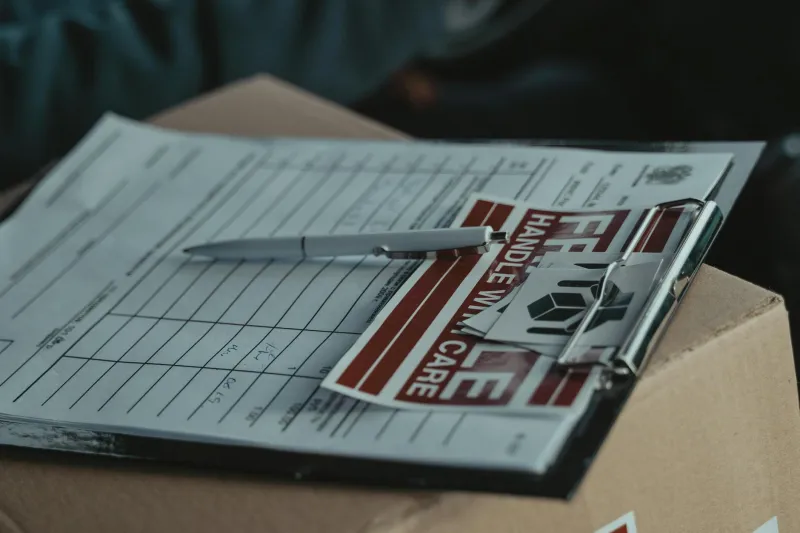
The transformation of safety inspections into bureaucratic theatre represents one of the most significant threats to UK workplace safety. Many organisations have developed sophisticated systems for documenting safety procedures without fundamentally addressing underlying risks.
This phenomenon manifests in several concerning ways. Inspection schedules become rigid calendar events rather than responsive risk assessments. Documentation systems prioritise completeness over accuracy, with teams focusing on filling forms rather than identifying genuine hazards. Perhaps most dangerously, the completion of inspection paperwork becomes conflated with actual safety achievement.
Safety professionals report increasing pressure to maintain inspection schedules regardless of operational realities. This creates environments where inspections occur during optimal conditions—clean, well-lit, and fully staffed—whilst daily operational hazards remain unaddressed.
The Psychology of Performative Safety
Understanding why intelligent, well-intentioned professionals fall into tick-box mentalities requires examining the psychological pressures within modern UK workplaces. Regulatory compliance often becomes divorced from operational reality due to several interconnected factors.
Time constraints force rushed inspections that prioritise visible, easily documented issues over complex systemic problems. Budget pressures encourage organisations to select inspection providers based on cost and convenience rather than thoroughness and expertise. Additionally, the complexity of modern regulatory frameworks can overwhelm smaller businesses, leading them to focus on demonstrable compliance rather than comprehensive risk management.
The human tendency to conflate activity with achievement compounds these pressures. Completing inspection checklists provides tangible evidence of safety efforts, even when those efforts fail to address genuine workplace hazards.
Case Studies in Compliance Failure
Recent HSE prosecutions reveal how this disconnect between documentation and reality plays out in practice. Manufacturing facilities with comprehensive inspection records have faced enforcement action following serious accidents that exposed fundamental safety system failures.
Construction companies maintaining detailed safety documentation have received prohibition notices for hazards that should have been identified through routine inspections. Healthcare facilities with regular compliance audits have faced scrutiny following incidents that revealed systematic safety culture problems.
These cases share common characteristics: extensive documentation, regular inspection schedules, and fundamental failures in translating safety procedures into operational practice.
Building Authentic Safety Cultures
Transforming tick-box compliance into genuine safety culture requires fundamental shifts in how organisations approach risk management. This transformation begins with redefining the purpose and methodology of safety inspections.
Effective safety inspections must move beyond checklist completion to focus on identifying and addressing actual workplace hazards. This requires inspection teams with sufficient technical expertise to recognise subtle but significant risks. It demands allocation of adequate time for thorough examination rather than rushed compliance exercises.
Organisations must also develop systems that encourage honest reporting of safety concerns rather than rewarding superficial compliance. This includes creating psychological safety for workers to report hazards without fear of blame or punishment.
Practical Framework for Cultural Transformation
Implementing authentic safety culture requires systematic approaches that address both technical and cultural elements. Organisations should begin by conducting honest assessments of current safety inspection effectiveness, examining whether existing processes genuinely identify and address workplace hazards.
Inspection methodologies should emphasise hazard identification over documentation completion. This includes developing inspection criteria that reflect actual workplace conditions rather than idealised scenarios. Teams should receive training in risk assessment techniques that go beyond checklist completion.
Communication systems must support transparent reporting of safety concerns throughout organisational hierarchies. This includes establishing clear channels for escalating safety issues and ensuring that inspection findings translate into concrete risk mitigation actions.
The Role of Professional Inspection Services
External safety inspection providers play crucial roles in breaking cycles of performative compliance. Professional inspection services bring independent perspectives that can identify blind spots within organisational safety cultures.
However, organisations must select inspection providers based on technical competence and cultural alignment rather than purely commercial considerations. This includes evaluating providers' abilities to identify systemic safety issues and their commitment to honest, comprehensive reporting.
Effective inspection partnerships involve ongoing collaboration rather than episodic compliance exercises. This includes regular review of inspection methodologies and continuous improvement of safety management systems.
Moving Forward: Compliance That Protects
The challenge facing UK workplaces is clear: transforming safety compliance from administrative burden into genuine protection mechanism. This requires commitment from leadership, investment in proper systems, and cultural changes that prioritise worker safety over documentation aesthetics.
Organisations that successfully make this transition discover that authentic safety cultures often exceed regulatory requirements whilst providing stronger protection against both workplace incidents and regulatory enforcement action. The investment in genuine safety management pays dividends in reduced insurance costs, improved productivity, and enhanced reputation.
Ultimately, the goal of safety compliance should be preventing workplace incidents rather than simply satisfying regulatory requirements. Achieving this goal requires moving beyond tick-box mentalities to embrace comprehensive, culturally embedded approaches to workplace safety management.