After Dark Safety Failures: How UK Night Operations Expose Critical Compliance Vulnerabilities
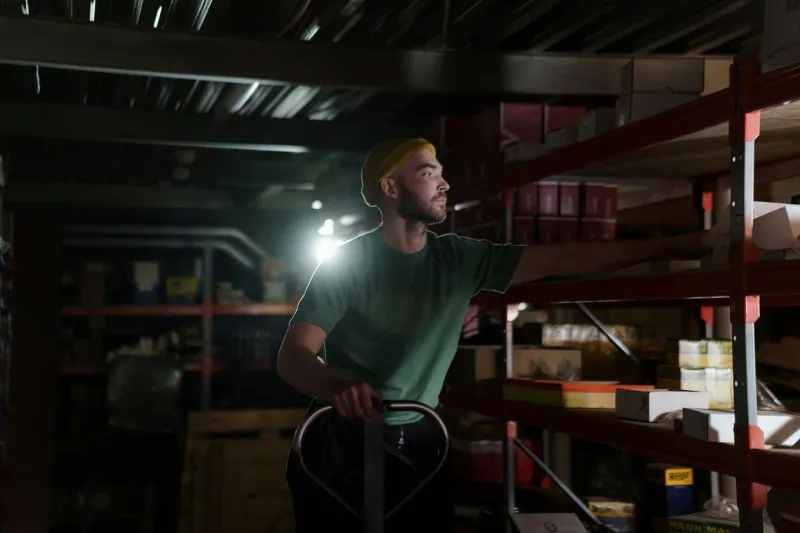
The Hidden World of Night Shift Safety
Across Britain's industrial landscape, a parallel safety universe operates whilst most compliance officers sleep. From 24-hour manufacturing plants in the Midlands to overnight logistics operations in Scotland, millions of UK workers perform their duties under conditions that standard safety inspections never witness. This creates a dangerous dichotomy where businesses maintain exemplary safety standards during the day whilst potentially operating in serious non-compliance after dark.
The Health and Safety Executive's traditional inspection model, designed around conventional working hours, inadvertently creates a regulatory blind spot that savvy businesses exploit and unprepared organisations fall victim to. Recent enforcement data reveals a troubling pattern: a disproportionate number of serious workplace incidents occur during night shifts, yet these same periods receive minimal regulatory oversight.
The Enforcement Reality Check
HSE prosecution records paint a stark picture of night-time safety failures. In 2023, a prominent logistics company faced criminal charges following a fatal incident at their automated warehouse facility near Manchester. The incident occurred at 2:47 AM when a maintenance worker became trapped in machinery that had been inadequately isolated. Crucially, the safety procedures that impressed daytime inspectors proved woefully inadequate when applied to skeleton crew operations.
Similarly, a major food processing plant in Yorkshire received a £400,000 fine after an overnight cleaning contractor suffered severe chemical burns. The incident investigation revealed that safety protocols systematically deteriorated after 10 PM, when senior management departed and cost-cutting measures took precedence over compliance.
These cases share common characteristics: reduced supervision, abbreviated safety briefings, and modified operational procedures that prioritise efficiency over compliance. Most significantly, these conditions existed entirely outside the scope of standard safety inspections.
The Structural Problems of Night Shift Safety
Night operations face inherent challenges that daylight inspections cannot adequately assess. Reduced staffing levels mean individual workers often operate in isolation, with limited immediate support when emergencies arise. Emergency response procedures that function effectively with full daytime crews become dangerously inadequate when implemented by skeleton night teams.
Lighting conditions present another critical factor. Safety inspections conducted under optimal daylight conditions fail to identify hazards that become apparent only under artificial lighting. Shadows, glare, and reduced visibility create risks that simply do not exist during standard inspection hours.
Communication systems also deteriorate significantly during night operations. Reception areas close, security protocols change, and emergency contact procedures often rely on automated systems rather than human oversight. These modifications create compliance vulnerabilities that standard inspections cannot detect.
The Cost of Compliance Gaps
The financial implications of night-shift safety failures extend far beyond immediate HSE penalties. Insurance claims arising from overnight incidents often face increased scrutiny, particularly when investigations reveal systematic differences between day and night safety standards. Insurers increasingly question coverage when evidence suggests businesses maintain dual safety standards.
Reputational damage compounds these financial risks. Modern media coverage of workplace incidents routinely examines whether organisations maintain consistent safety standards across all operational hours. Public perception of businesses that appear to prioritise profits over worker safety during unsupervised periods can prove devastating to corporate reputation.
Recent tribunal cases demonstrate how night-shift incidents expose businesses to employment law complications. Workers injured during periods of reduced safety oversight successfully argue that employers failed in their duty of care by maintaining different standards for different shifts.
Regulatory Blind Spots in Practice
Standard HSE inspections typically occur between 9 AM and 5 PM, when businesses present their optimal operational face. Safety officers are present, emergency equipment receives regular checks, and communication systems operate at full capacity. This creates an inspection environment that bears little resemblance to actual night-shift conditions.
Emergency procedures provide a clear example of this disconnect. During daytime inspections, emergency evacuation routes remain clear, lighting functions optimally, and designated safety wardens are available. However, overnight operations often see emergency exits blocked by delivery pallets, reduced lighting to save costs, and skeleton crews unable to provide adequate emergency response.
Maintenance activities present another area where day and night standards diverge significantly. Complex maintenance procedures that receive careful oversight during day shifts often become rushed, abbreviated operations during night hours when production pressure intensifies and supervision decreases.
Building Comprehensive Night Safety Programmes
Addressing night-shift compliance requires fundamental changes to safety management approaches. Organisations must recognise that effective safety compliance demands consistency across all operational hours, not just during periods of regulatory visibility.
Implementing dedicated night safety audits provides the foundation for comprehensive compliance. These audits must occur during actual night-shift conditions, examining real operational practices rather than theoretical procedures. Random unannounced safety checks during overnight hours often reveal compliance gaps that scheduled daytime inspections miss entirely.
Technology offers powerful tools for maintaining night-shift safety standards. Remote monitoring systems, automated safety checks, and digital reporting procedures can provide oversight during periods of reduced human supervision. However, technology must supplement, not replace, proper safety management practices.
The Path Forward for UK Businesses
Sustainable night-shift safety compliance requires cultural change within organisations. Safety standards must remain consistent regardless of operational hours, supervision levels, or production pressures. This demands investment in training, equipment, and oversight systems that function effectively during all operational periods.
Businesses operating night shifts must conduct honest assessments of their current safety practices. This includes examining whether emergency procedures remain effective with reduced staffing, whether communication systems function adequately overnight, and whether maintenance activities receive appropriate safety oversight during all shifts.
Ultimately, the businesses that recognise and address night-shift compliance gaps will avoid the significant legal, financial, and reputational consequences that await those who maintain dual safety standards. In an increasingly regulated environment, consistency across all operational hours represents not just good practice, but essential business protection.